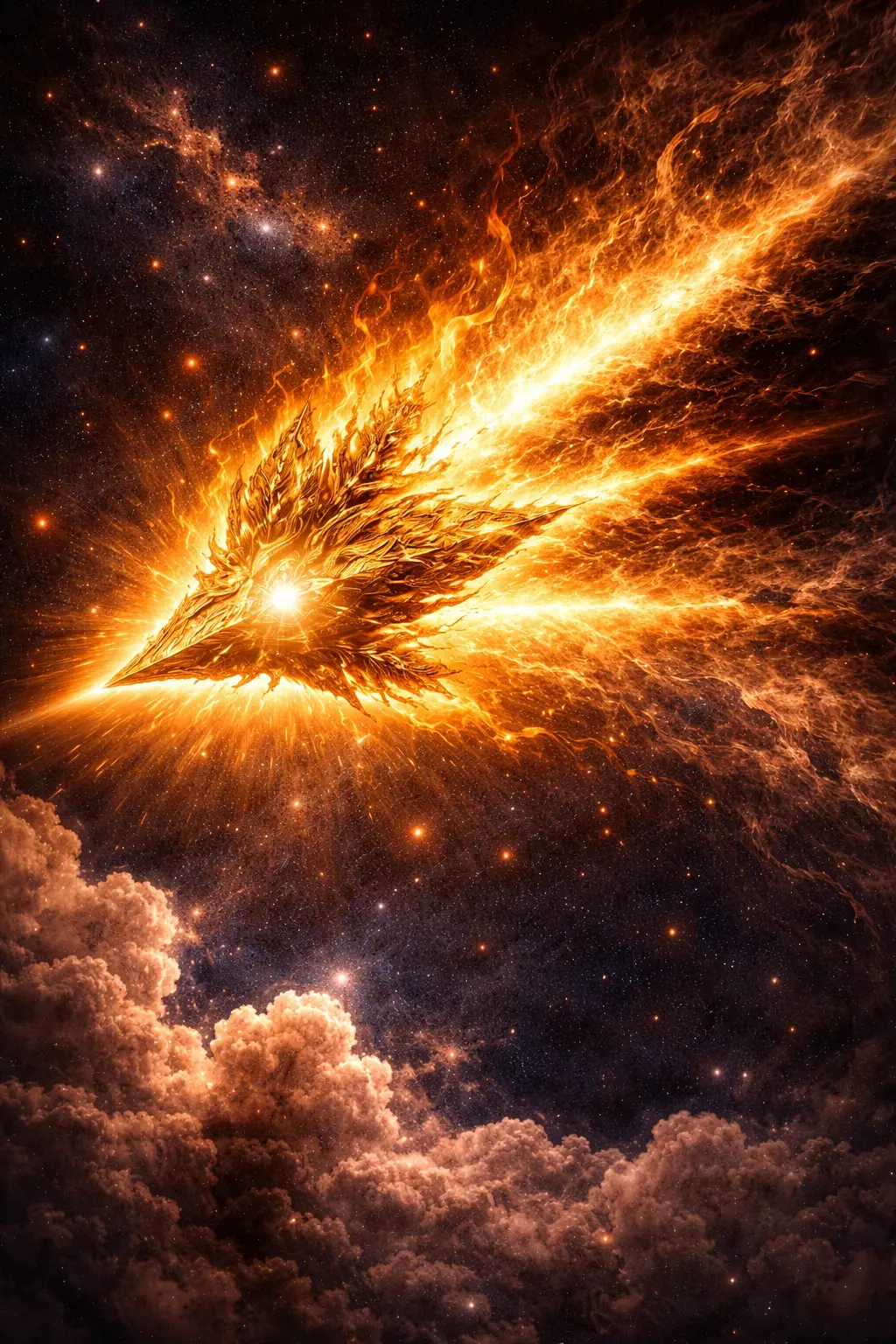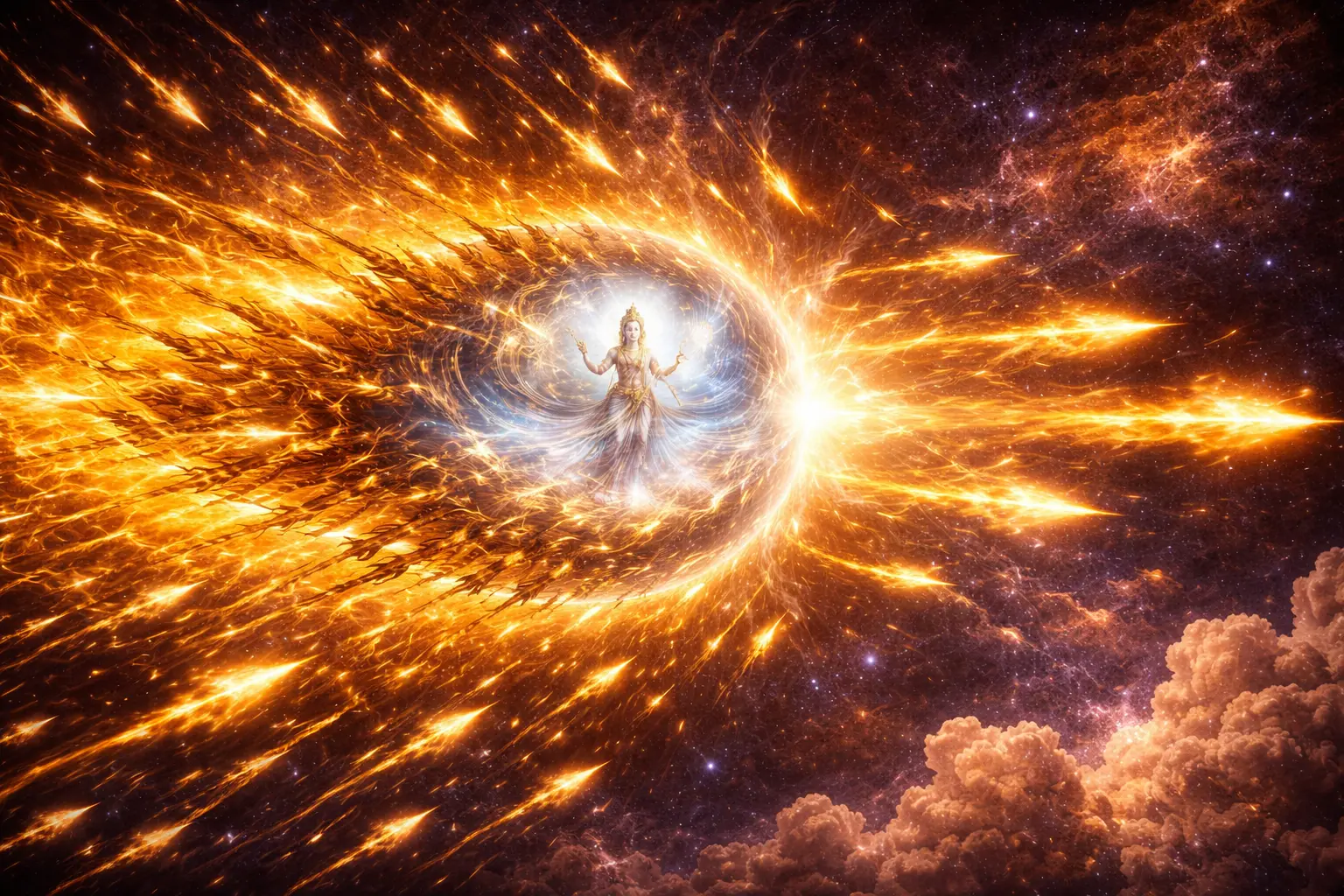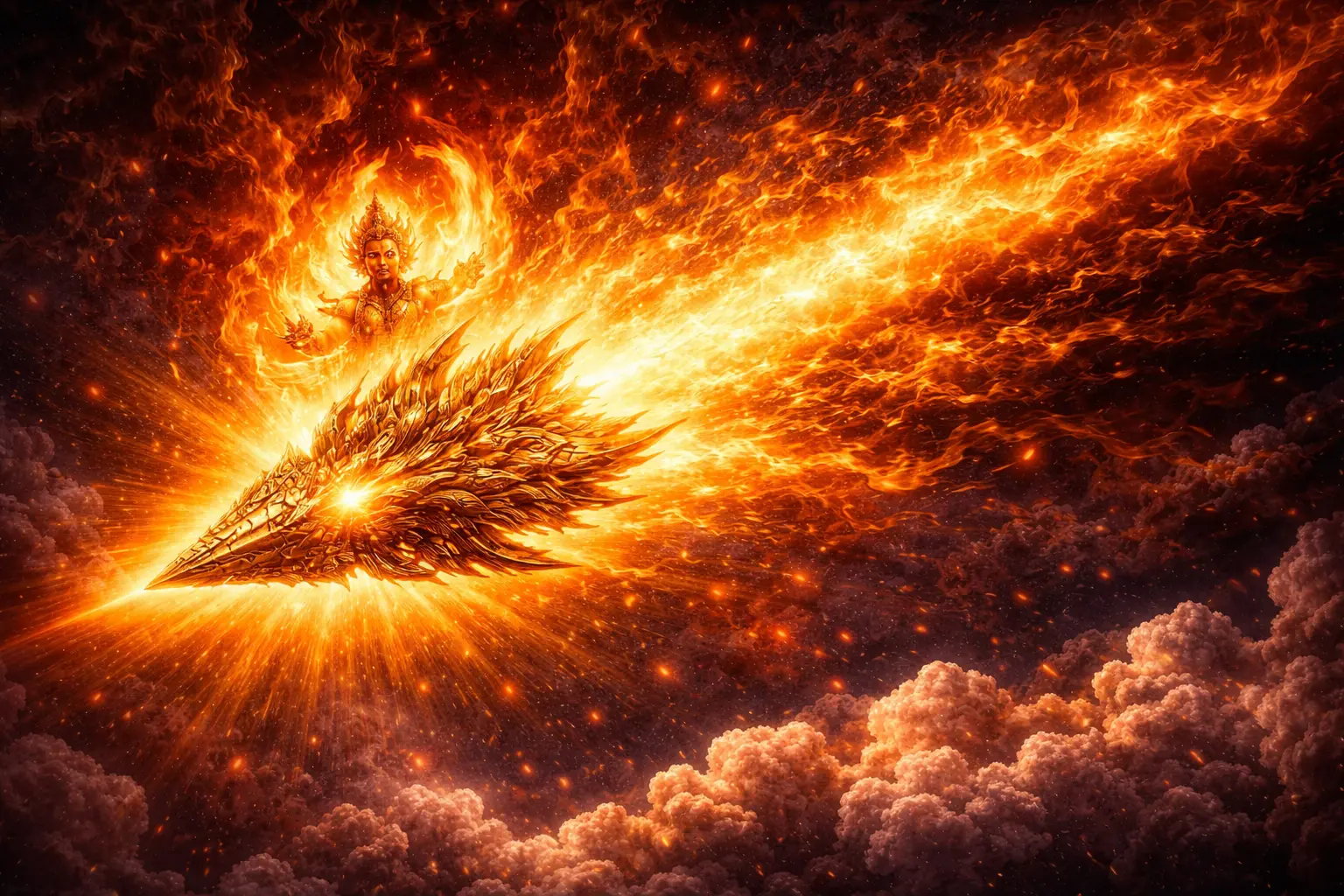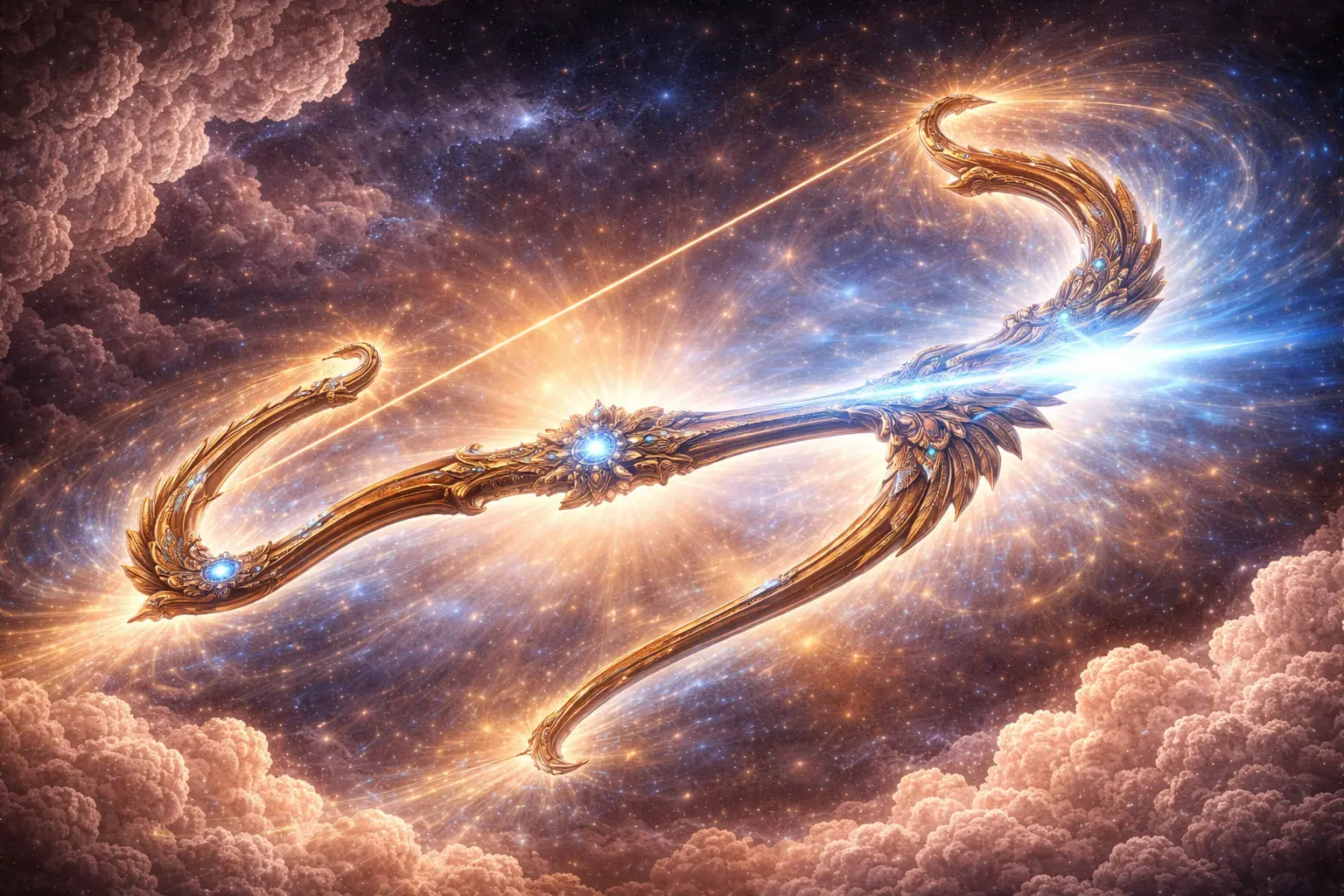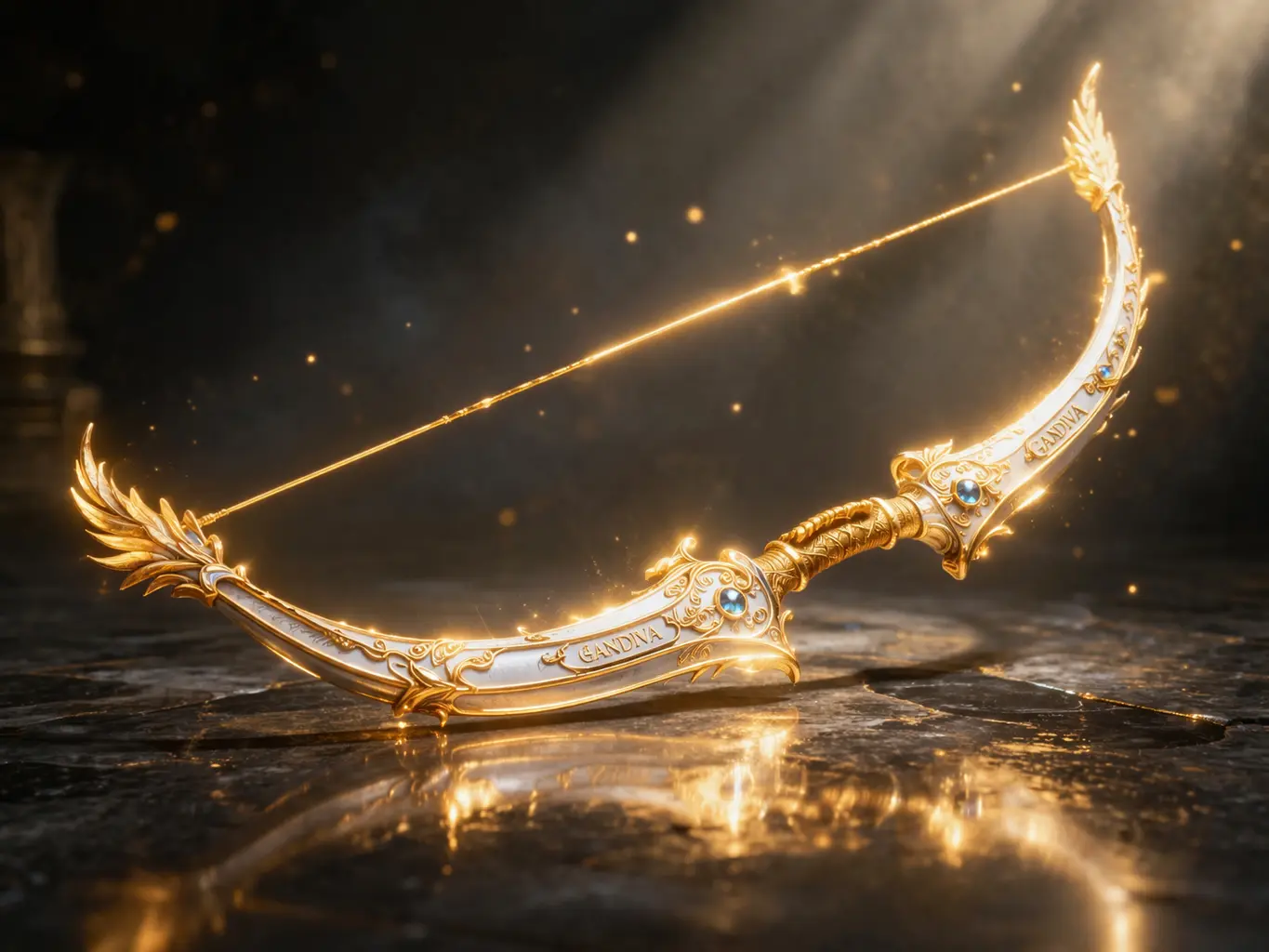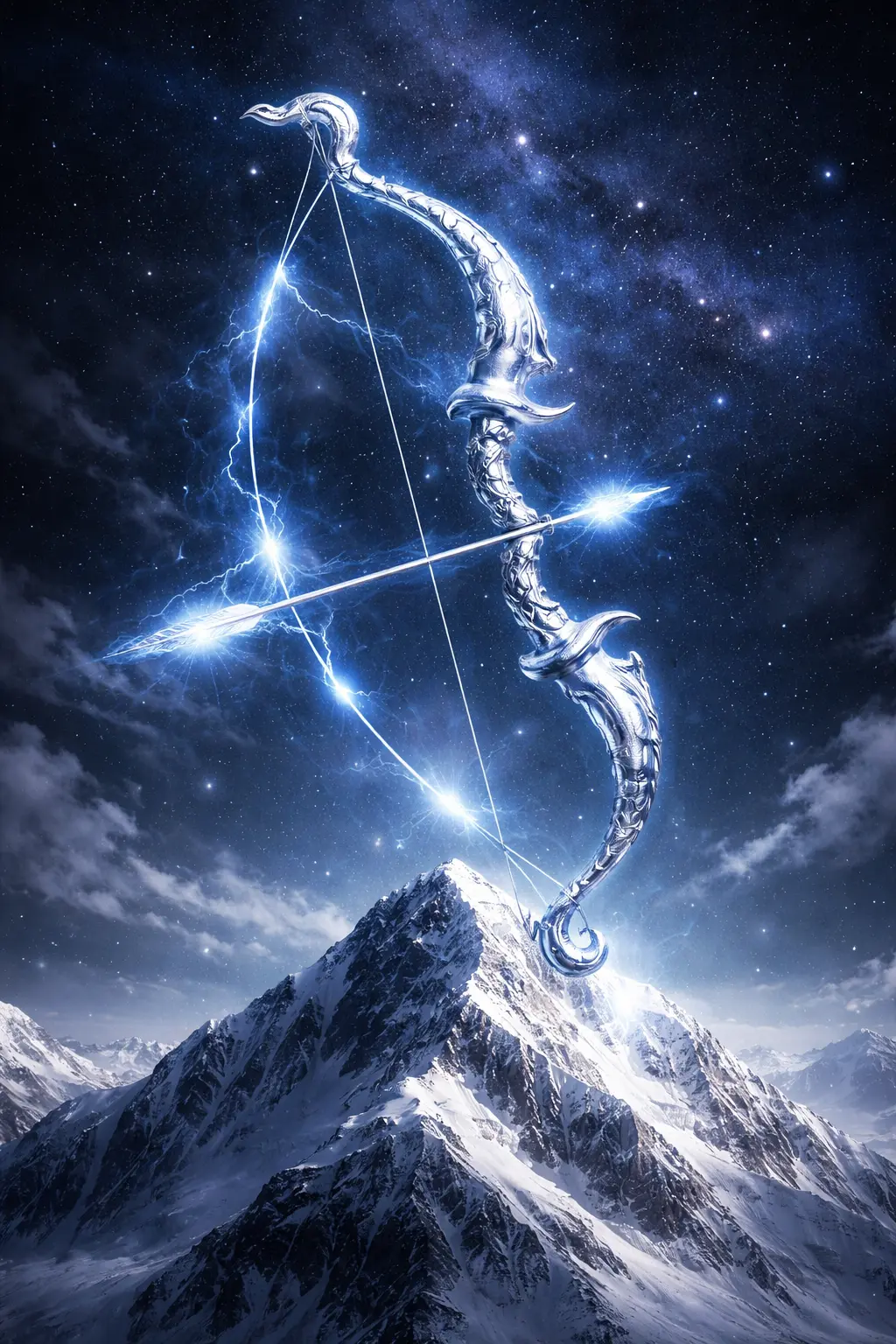
The Pinaka is perhaps the most famous bow in all of Hindu mythology — not for its use in battle, but for the legendary act of stringing it that changed the course of Indian civilization. According to the Valmiki Ramayana, the Pinaka was crafted by Vishwakarma, the divine architect of the gods, and presented to Lord Shiva as a supreme gift. The bow was said to carry the weight of a thousand mountains — not merely as a physical bow, but as an embodiment of Shiva's infinite cosmic power.
The Pinaka's most celebrated appearance occurs in Mithila, the kingdom of King Janaka. Janaka had received the divine bow from his ancestor, and no mortal king, warrior, or sage could so much as lift it. Janaka declared a swayamvara (self-choice ceremony) for his daughter Sita — the incarnation of Lakshmi — proclaiming that whoever could string the Pinaka would win her hand. Thousands of kings arrived, each desperate to prove their strength. The great king Ravana himself came — whose arms could shake the Himalayas — and failed to even move the bow from its display pedestal.
Then came Shri Ram, the seventh avatar of Vishnu, accompanied by sage Vishwamitra. When Ram approached the Pinaka, it was not an act of muscular effort — it was a divine meeting of destined souls. Ram lifted the bow effortlessly, a sight that silenced the entire assembly. When he pulled the string to string it, the bow did not just bend — it snapped with a sound so thunderous that the earth shook and the gods trembled in their heavens. The breaking of the Pinaka at that moment was interpreted by the assembled sages as cosmic confirmation: Ram was no ordinary prince but the Supreme Being incarnate.
There is a deeper layer to this story. The Shiva Purana suggests that the snapping of the Pinaka was not just a feat of strength — it was the end of one cosmic era and the beginning of another. Shiva's weapon, representing dissolution (the end of obstacles), was broken so that Vishnu's era of preservation and dharma could be established through Ram's reign.
यत् तत् शिवसमायुक्तं सर्वदेवनमस्कृतम् ॥